
AI Isn’t Magic. It’s Built. And It Can Be Learned

by Skills U
Updated on January 5, 2026
Copy link
Share on LinkedIn

You don’t need to be an engineer to use AI. But learning from one helps you understand what’s actually possible.
Across Asia, professionals are scrambling to make sense of AI: how it works, where it fits, and how to use it without feeling overwhelmed. Many quickly realise that true confidence doesn’t come from abstract frameworks or one-off tools. It comes from learning alongside someone who has genuinely built the systems behind today’s technology.
That is where Sanjela’s expertise stands out.
She didn’t arrive at AI through theory. She arrived here through nearly two decades of hands-on engineering: writing Java, building microservices, developing robotics systems with ROS, and guiding software teams through DevOps and cloud adoption across India, the UK, and Singapore. This technical journey gives her a rare ability to explain AI in a way that is grounded, clear, and immediately applicable.
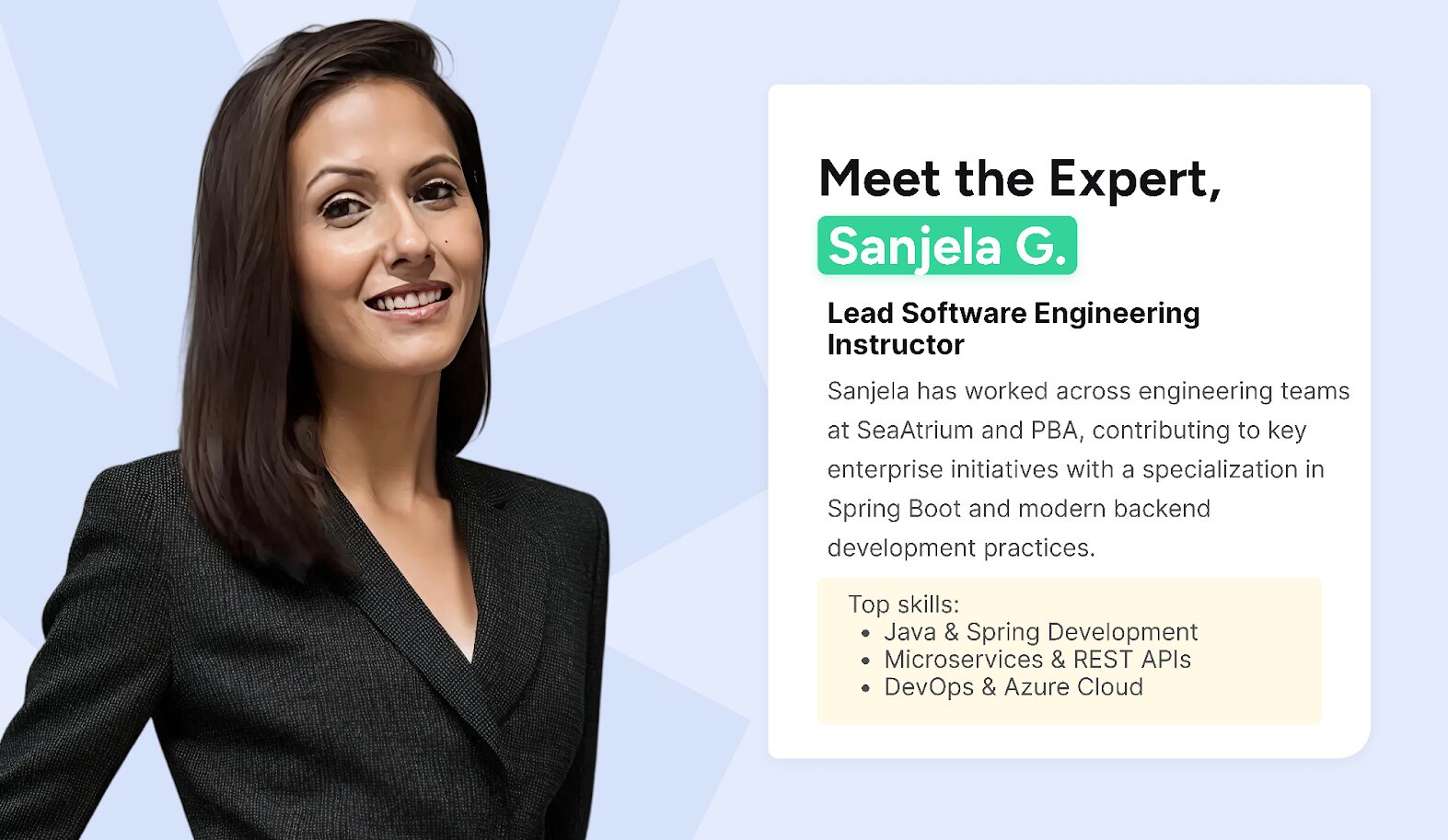
The Engineering Mindset: Function Over Fascination
As a Lead Instructor, Sanjela trains learners from all backgrounds - from career switchers to leaders stepping into digital transformation. Her approach is distinct because it is shaped by an engineering mindset: focus on utility, not theory.
Engineers are trained to think in terms of constraints, dependencies, and real-world outcomes. Sanjela applies this “decomposition mindset” to teaching. Instead of starting with technical jargon, she strips complex AI concepts down into manageable components: data, pattern recognition, prompts and outputs.
Once learners understand these building blocks, they realise AI is not a mysterious “black box” but a structured system. This approach shifts the learner’s mindset from intimidation to experimentation, proving that technical depth is the best antidote to complexity.
Resilience and Representation in STEM
Sanjela’s background as a woman in STEM across three different regions adds another dimension to her teaching. While the tech cultures in India, the UK, and Singapore differ, the value placed on skill remains constant. However, her journey required navigating moments of isolation and working harder to be heard.
Her story reflects the quiet excellence and resilience that the current AI conversation needs more of. She advises women and career switchers not to wait until they feel “fully ready”. In her view, the most valuable skills in tech come from debugging your first mistakes. This philosophy - that competence is built through doing - is central to how she empowers her students.
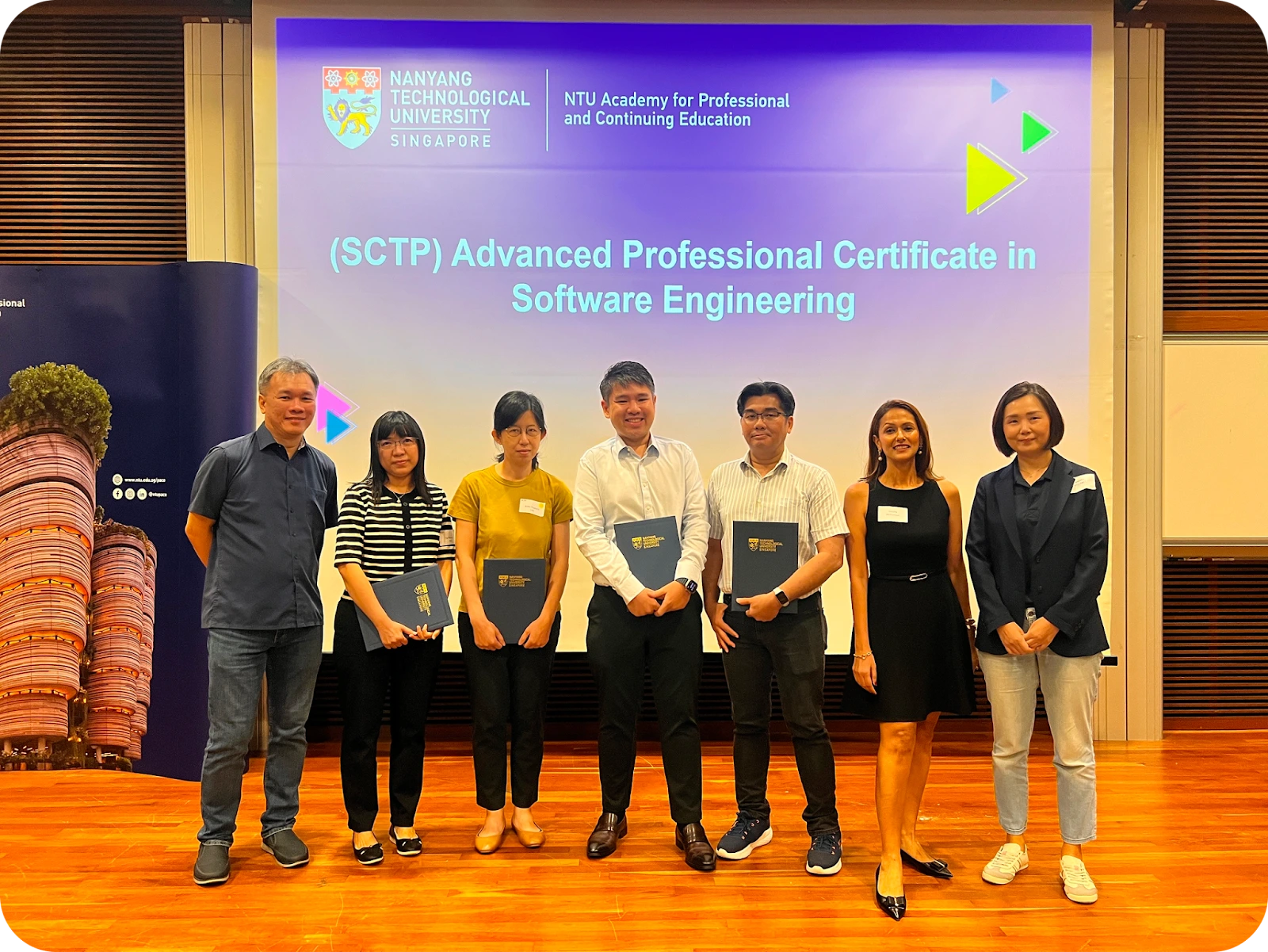
In Conversation: Q&A With Sanjela
We sat down with Sanjela to discuss the misconceptions surrounding AI, the skills professionals need in 2026, and why human judgment is becoming more, not less, important.
Q: How has your engineering experience shaped the way you teach AI to non-technical professionals?
Sanjela: My background makes me focus on function before fascination. When I teach, I don’t start with abstract ideas. I start with a problem and ask, “How would we break this down?”.
That decomposition is at the core of my teaching. When you strip AI down to its components - data, inputs, outputs - people realise it’s a system they can control. This approach not only demystifies the technology but helps learners feel confident enough to experiment with it.
Q: What do people misunderstand most when they first engage with AI?
Sanjela: The most common misconception is treating AI as either a magical shortcut or an automatic replacement for technical roles. Both extremes create unrealistic expectations. AI is powerful, but it’s still a tool. It mirrors the quality of the thinking and data behind it.
Another misunderstanding is assuming that if AI gives an answer, it must be correct. In reality, AI needs a user who can question, validate and refine. Without that human layer of judgment, errors go unnoticed. AI isn’t here to replace professionals; it’s here to make their work faster and more scalable - but only if they remain in the driver's seat.
Q: You emphasise that "success with AI comes down to good data." What does that mean for the average user?
Sanjela: AI depends entirely on its inputs. First, the model's original training data must be sound - if it is biased or messy, the output reflects that. Second, users need to give clear, specific prompts. Poor input guarantees poor output. Whether you are building a model or just prompting one, data quality is everything.
Q: What skills will matter most for professionals working with AI in 2026 and beyond?
Sanjela: Two categories stand out to me:
- Critical Human Judgment: Problem framing, ethics, decision-making and evaluation. AI can generate answers, but only humans can determine whether those answers are meaningful or responsible.
- AI Fluency: The ability to craft strong prompts, understand data quality, and guide the model.
Professionals who can “think with AI” - combining fluency with judgment - will move faster and make better decisions than their peers.
Q: What is a learner moment that has stayed with you?
Sanjela: I remember a career switcher who was struggling through his team project. He felt lost. But after we broke the concepts down again into smaller steps, something clicked. He ended up building a REST API on his own. That shift in his eyes, from “I can't do this” to “I figured it out,” is exactly why I teach.
Q: What is next for you in your journey?
Sanjela: I’m diving deeper into the technologies shaping modern AI applications, especially LLM integration, retrieval-augmented generation (RAG) and building agentic systems that operate with more autonomy. These areas blend hard engineering with intelligence in a way that feels exciting and full of possibility.
The Takeaway
As AI continues to reshape the workplace, the divide won’t be between those who can code and those who can't. It will be between those who view AI as magic, and those who - like Sanjela - understand it as a system to be mastered.
Are you ready to move beyond the hype and understand the “how”?
Get Started
We’ve trained professionals at some of the world’s leading companies.